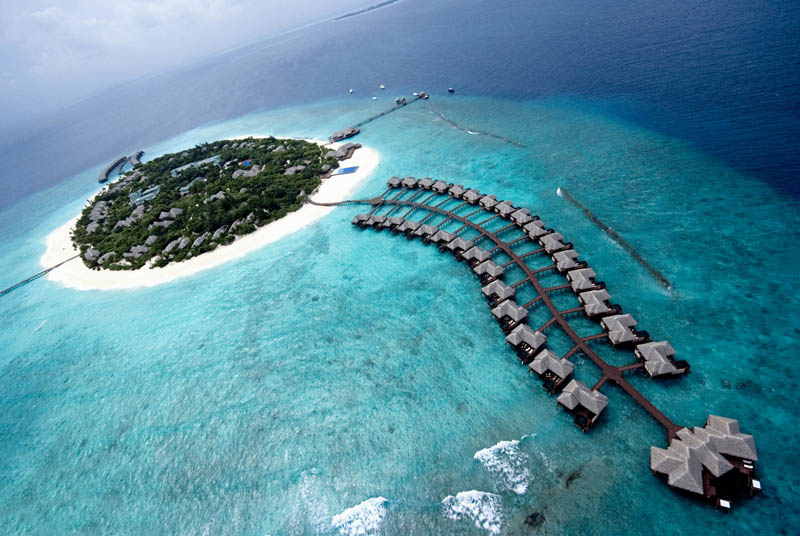
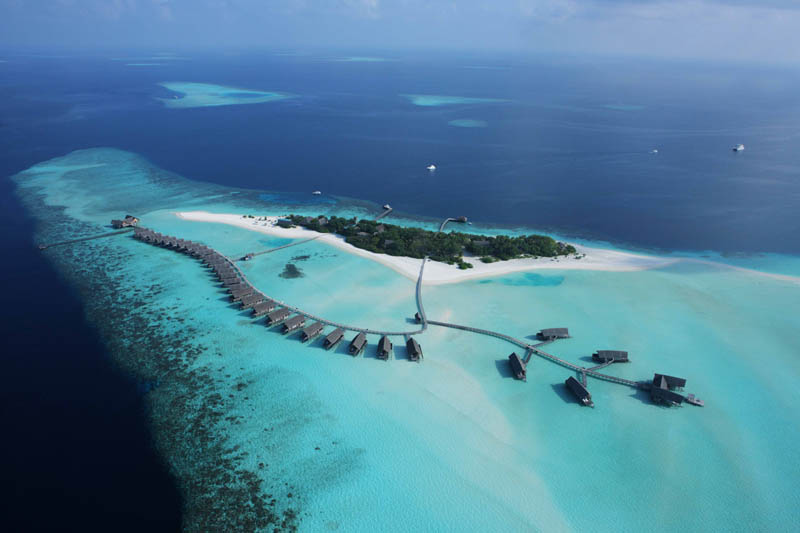
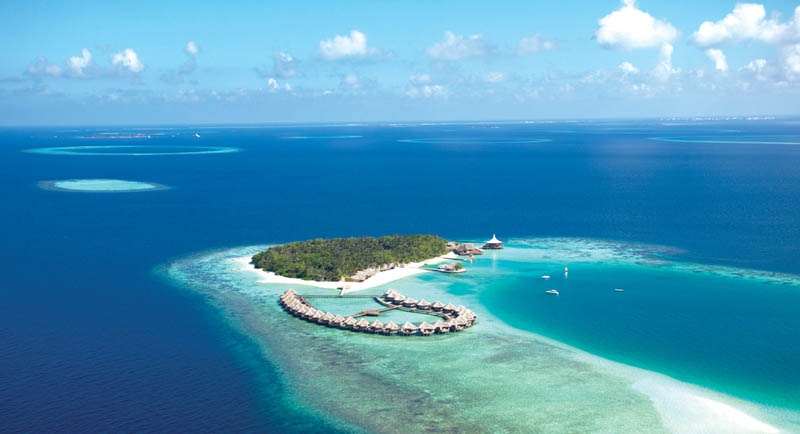
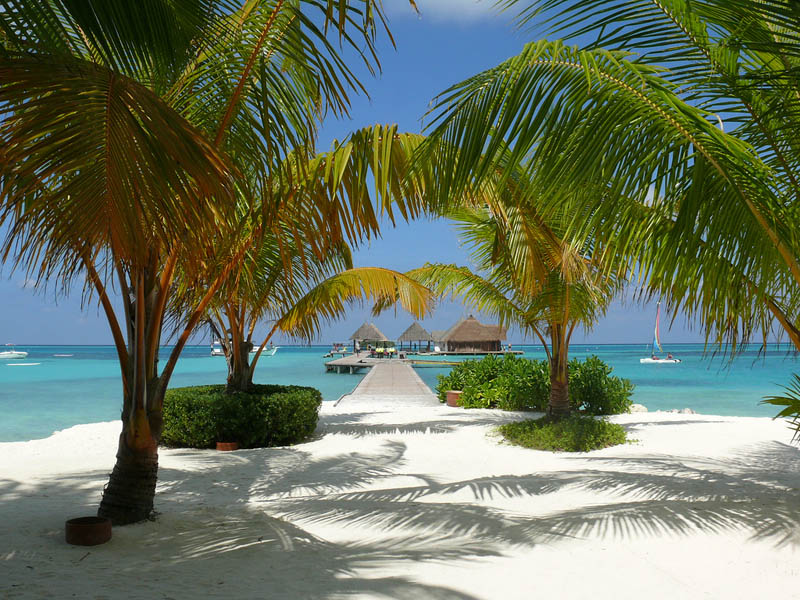
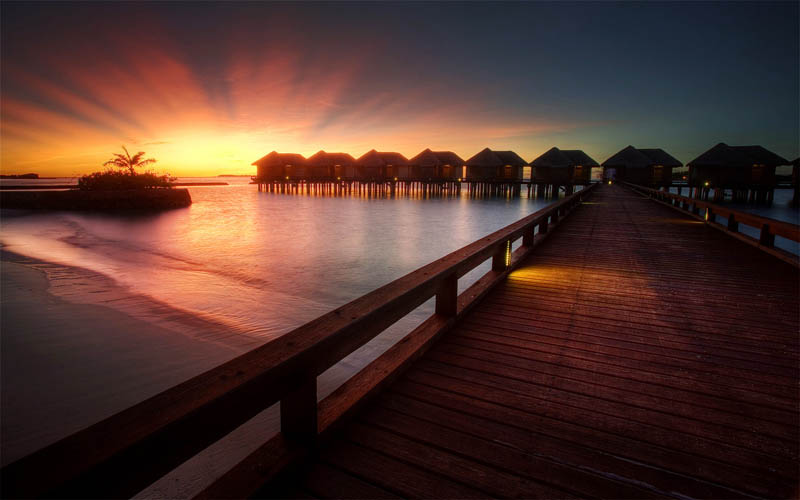
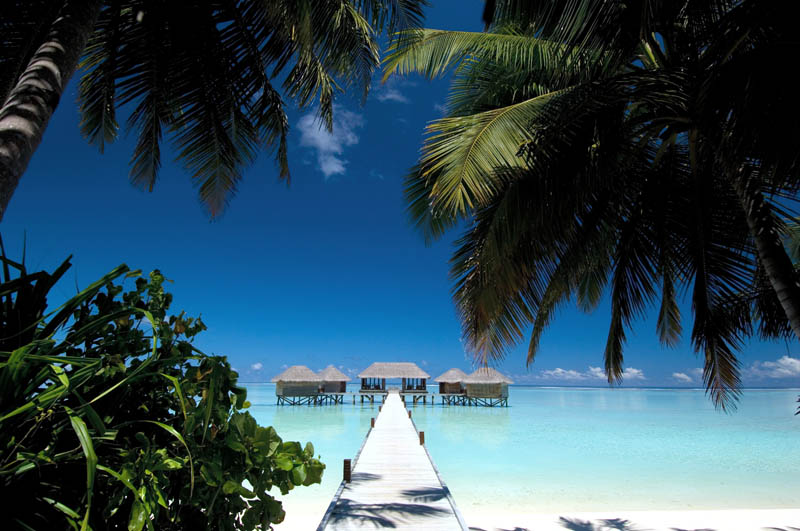
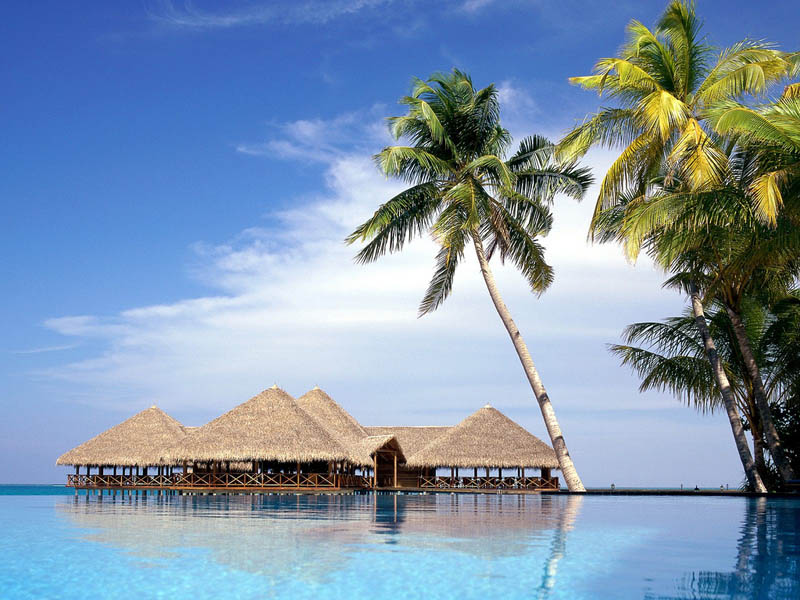
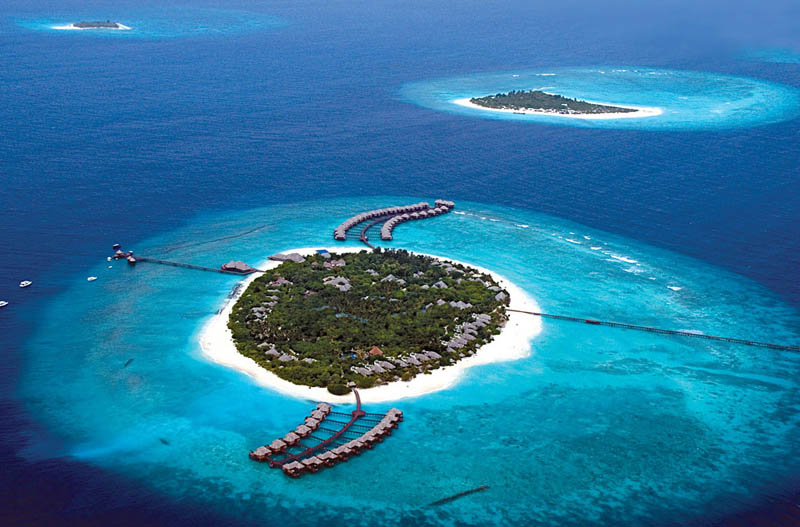
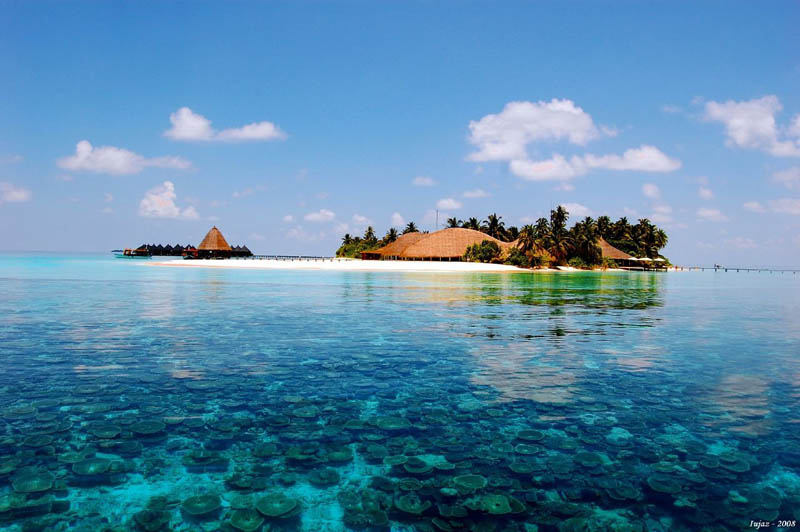
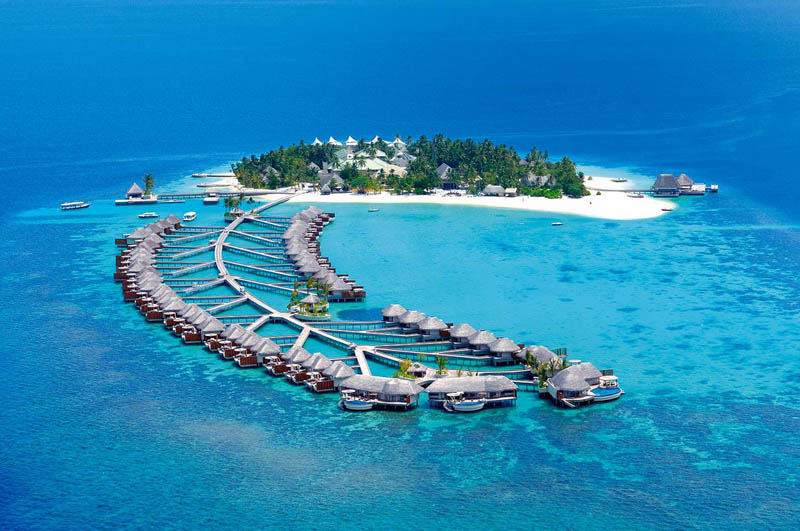
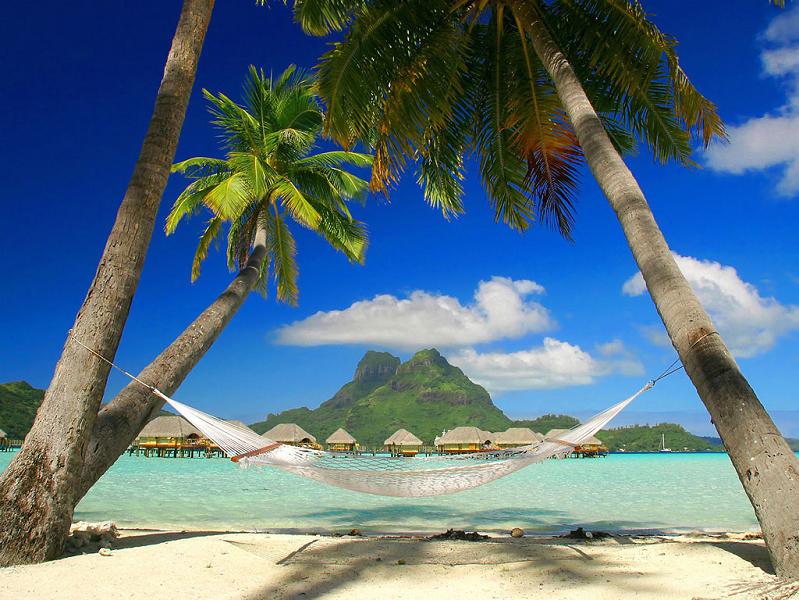
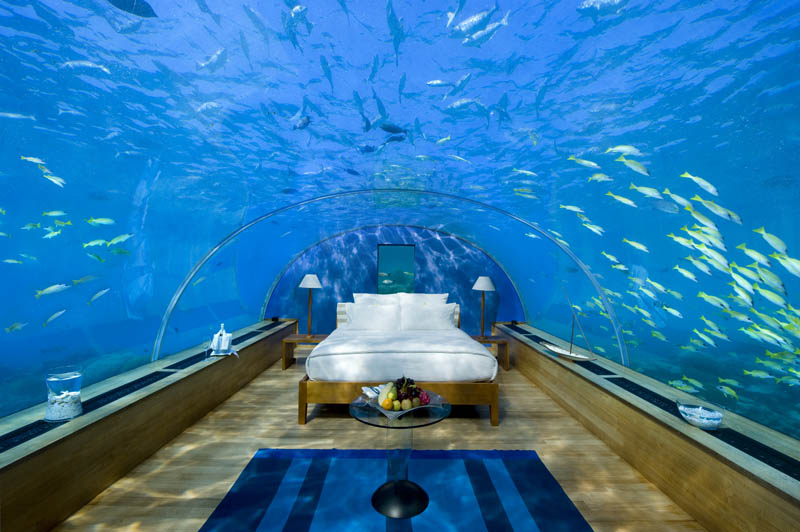
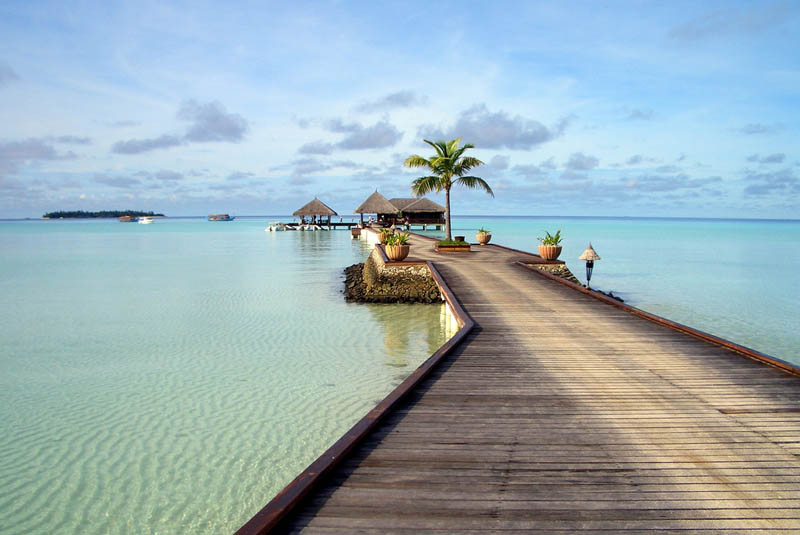
Just likeBora Bora, the Maldives
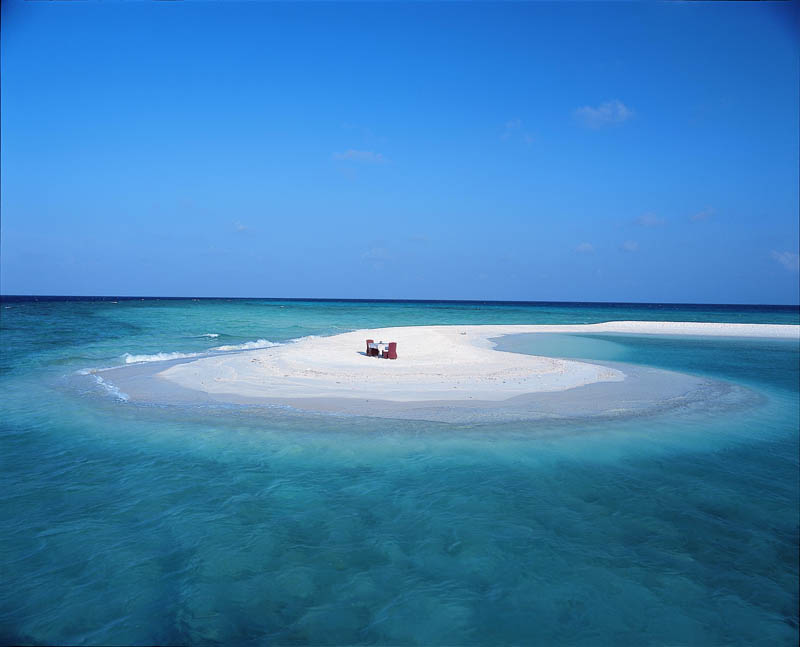
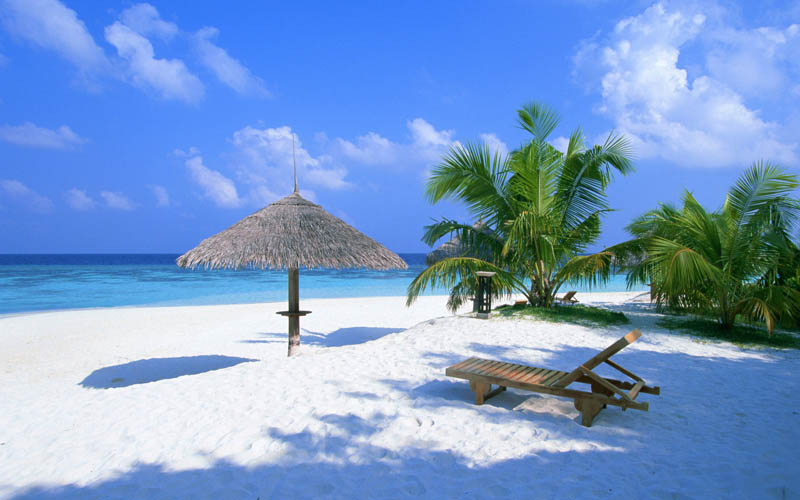
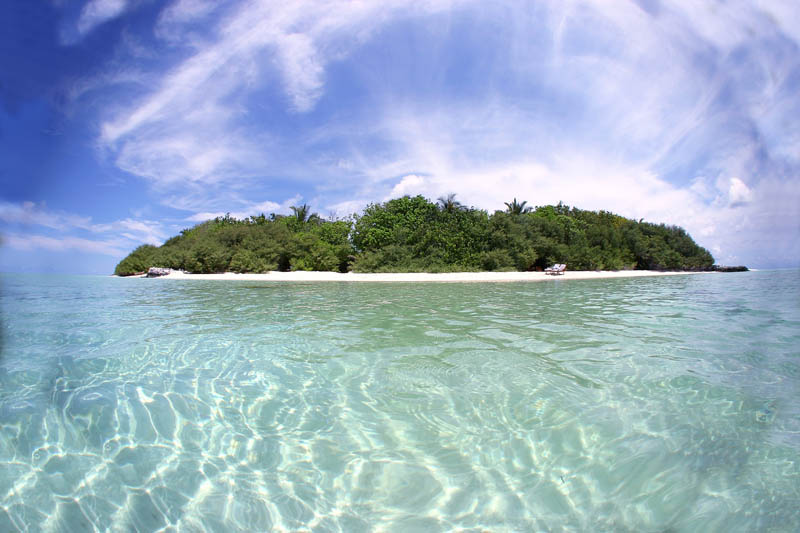
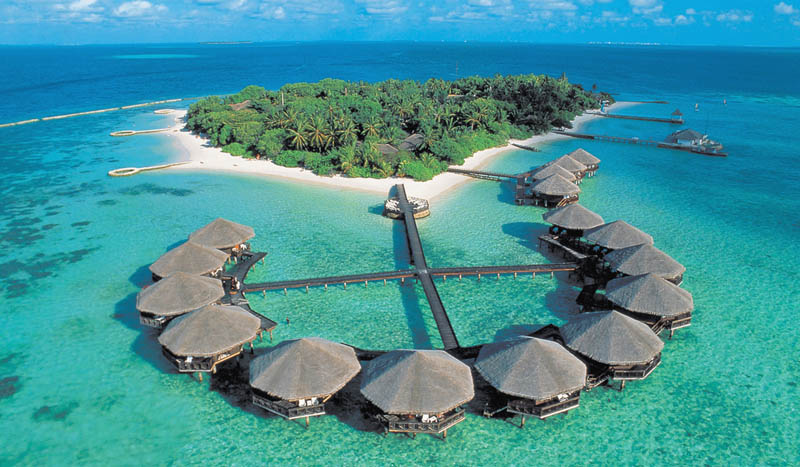
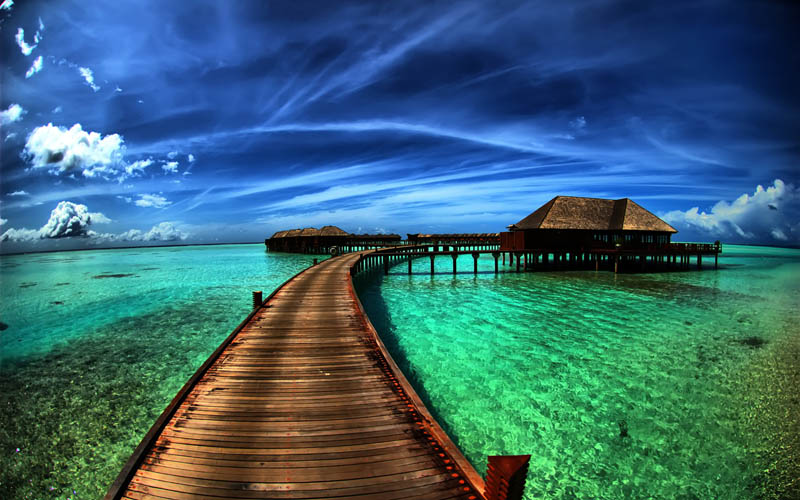
is another tropical paradise that feels like a fantasy world. Hundreds
of lush islands, lined with the whitest sandy beaches, and surrounded by
the bluest of water; the Malvides is a slice of heaven. Check out the
beautiful photographs below along with information on the world’s lowest
country with the ‘lowest high point’ in the world. Enjoy!
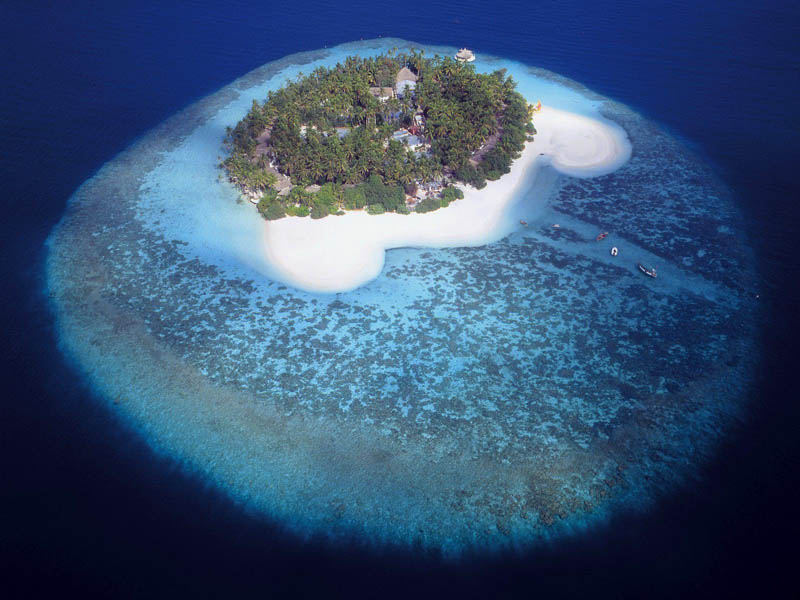
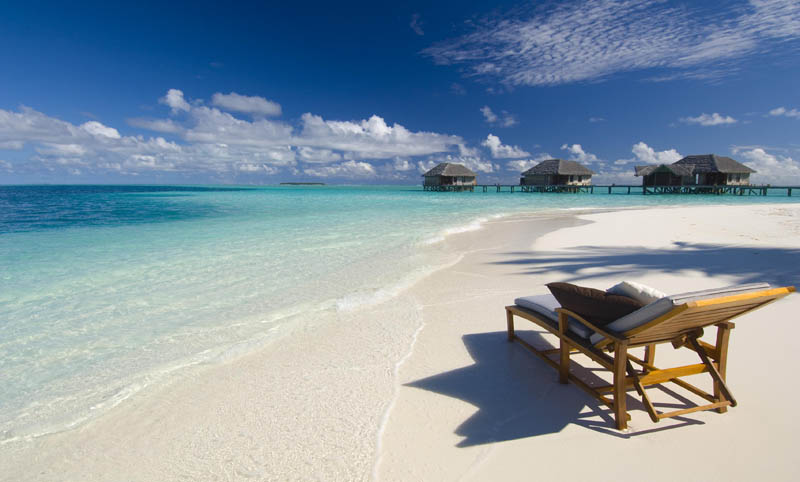
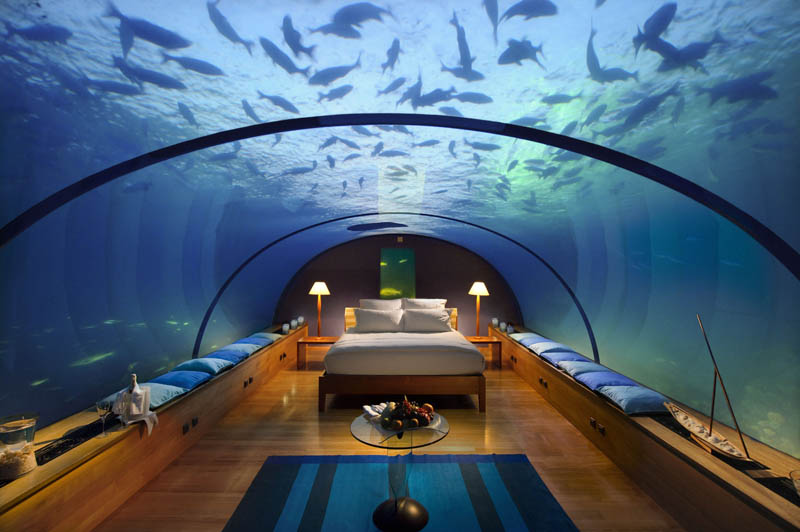
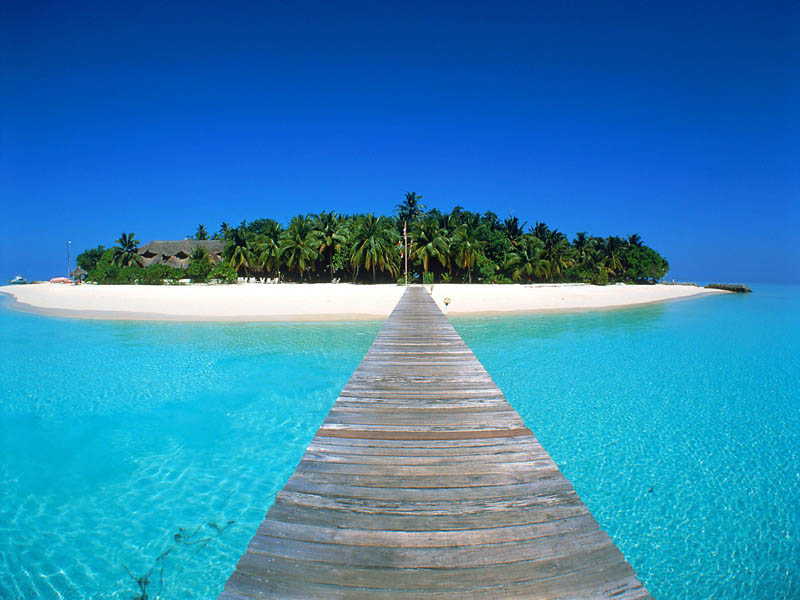
- The Maldives, officially
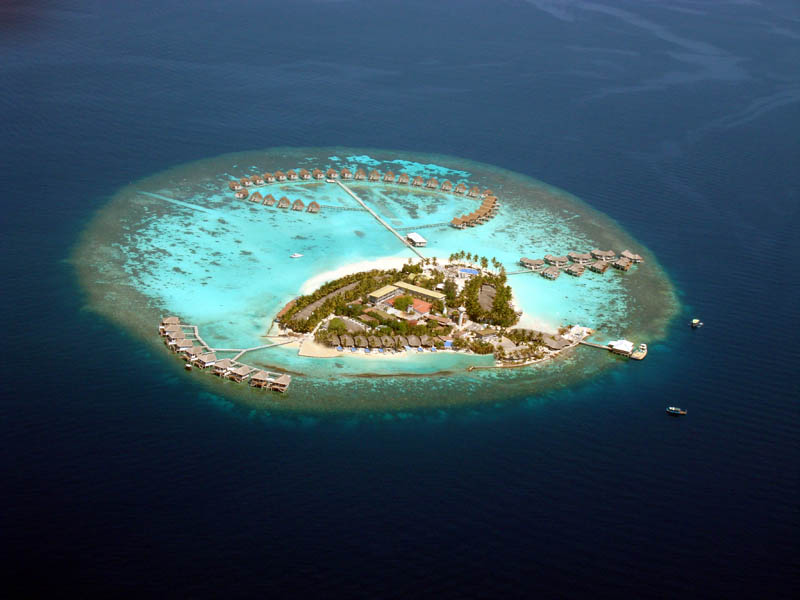
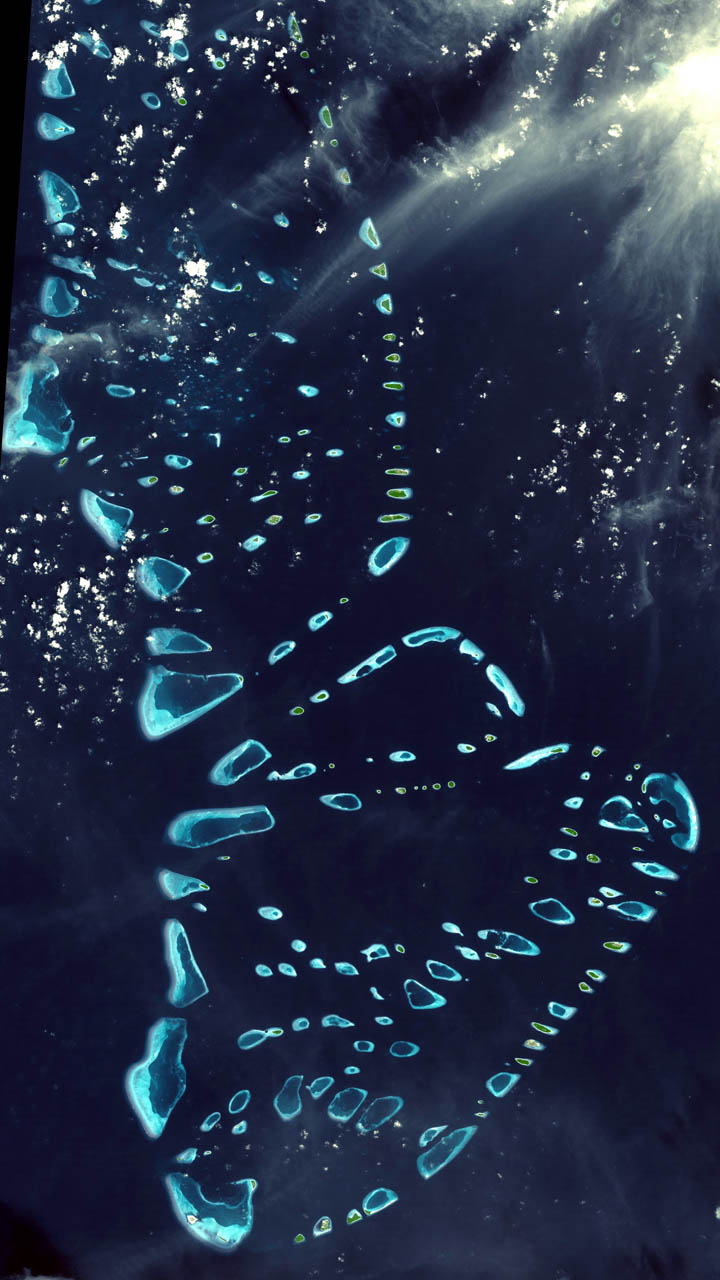
Republic of Maldives, is an island nation in the Indian Ocean formed by a
double chain of twenty-six atolls stretching in a north-south
direction. It stands in the Laccadive Sea, 402 km (250 mi) south-west of
India
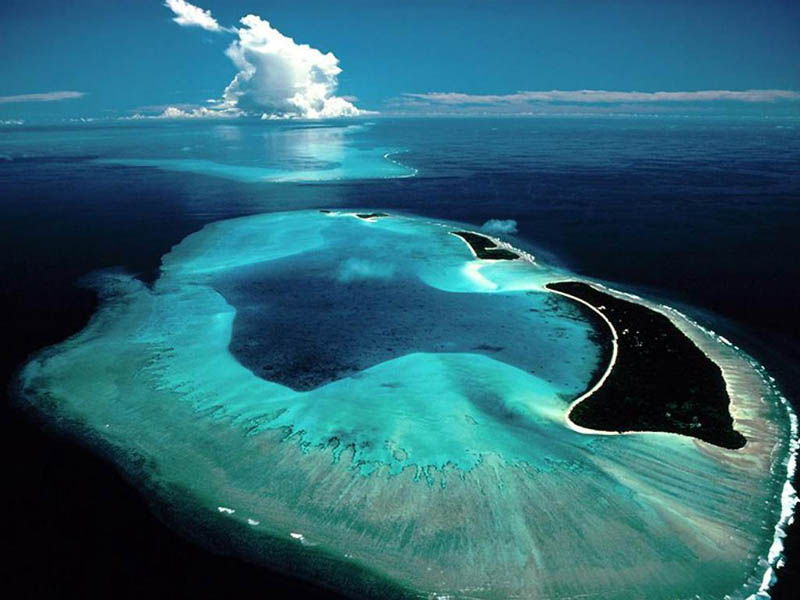
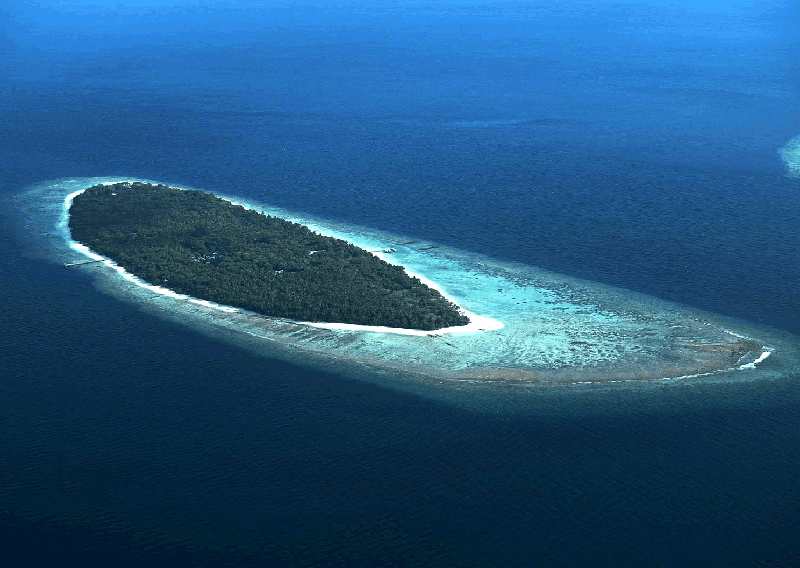
- The chain of islands is an archipelago, which are in reality
the tops of a vast undersea mountain range in the Indian Ocean and the
Arabian Sea. The atolls of the Maldives encompass a territory spread
over roughly 90,000 square km (34,750 sq miles), making it one of the
most dispersed countries in the world in geographic terms
- It
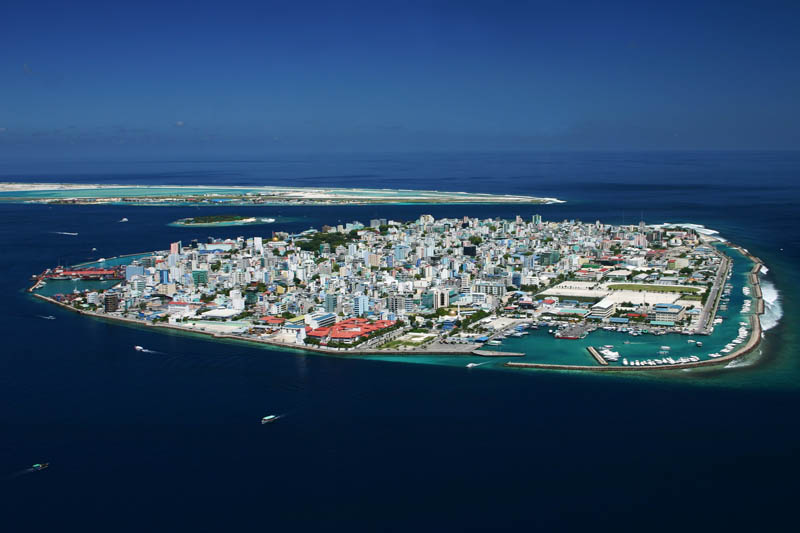
features 1,192 islands, of which two hundred are inhabited. The Republic
of Maldives’s capital and largest city is Malé, with a population of
103,693 (as of 2006)
- The Maldives are the smallest Asian country in
both population and land area. With an average ground level of 1.5
metres (4 ft 11 in) above sea level, it is the lowest country
on the planet. It is also the country with the lowest highest point in
the world, at 2.3 metres (7 ft 7 in)
- The Indian Ocean has a great
effect on the climate of the country by acting as a heat buffer,
absorbing, storing, and slowly releasing the tropical heat. The
temperature of Maldives ranges between 24 °C (75 °F) and 33 °C (91 °F)
throughout the year. Although the humidity is relatively high, the
constant cool sea breezes keep the air moving and the heat mitigated
-
Two seasons dominate Maldives’ weather: the dry season associated with
the winter northeastern monsoon and the rainy season which brings strong
winds and storms. The shift from the moist southwest monsoon to the dry
northeast monsoon occurs during April and May
- During this period,
the northeast winds contribute to the formation of the northeast
monsoon, which reaches Maldives in the beginning of June and lasts until
the end of August. However, the weather patterns of Maldives do not
always conform to the monsoon patterns of South Asia
- The
annual rainfall averages 2,540 millimetres (100 inches) in the north
and 3,810 millimetres (150 inches) in the south
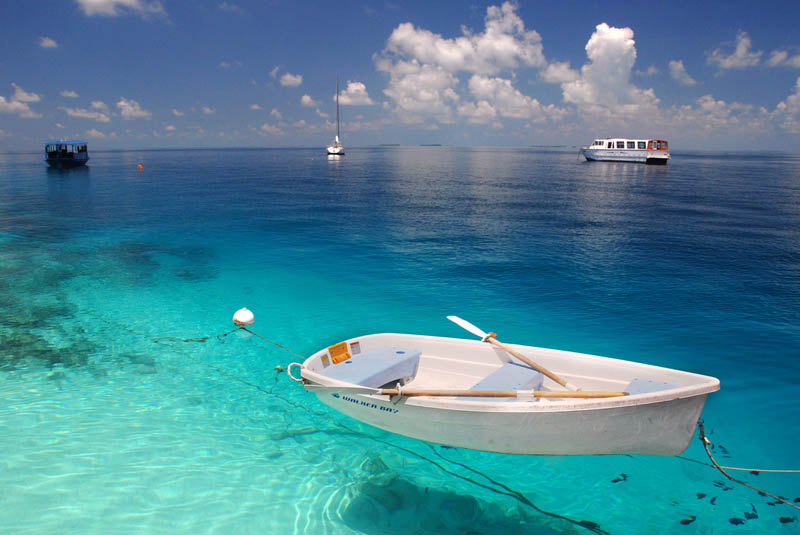
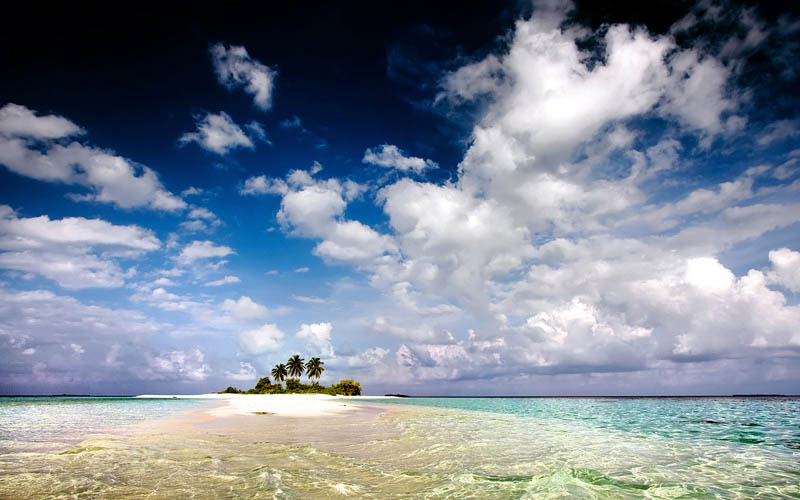
- The Maldivesè
waters are home to wide variety of ecosystems, but it is most noted for
their variety of colourful coral reefs, home to some 300 species of fish
- The Maldives is a presidential
republic, with the President as head of government and head of state.
The President heads the executive branch and appoints the cabinet which
is approved by the People’s Majlis (Parliament)
- Following the
introduction of a new constitution in 2008, direct elections for the
President take place every five years, with a limit of two terms in
office for any individual. The current President is Mohamed Nasheed
-
Members of the unicameral Majlis serve five-year terms, with the total
number of members determined by atoll populations. At the 2009 election,
77 members were elected. Prior to 2008, Maldives did not have a
constitution which guaranteed fundamental human rights. For 30 years,
from 1978 until 2008, Maumoon Abdul Gayoom was president of the country
-
As of April 2008, more than 70,000 foreign employees live in the
country and another 33,000 illegal immigrants comprise
more than one third of Maldivian population. They consist mainly of
people from the neighboring South Asian countries of India, Sri Lanka,
Bangladesh and Nepal
- Islam is the only official religion of The
Maldives. The open practice of all other religions is forbidden and such
actions are liable to prosecution under the law of the country
-
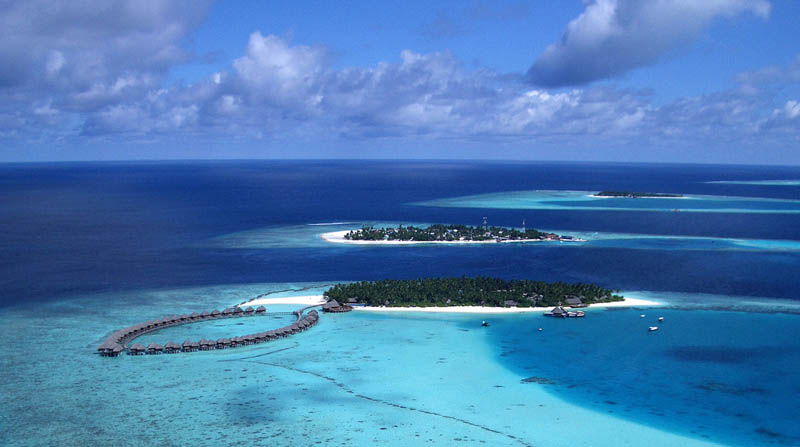
Nature has fragmented the archipelago into 1,190 tiny islands that
occupy a mere one per cent of its 90,000 km2 territory. Only 185 islands
are home to its 300,000 population, while the other islands are used
entirely for economic purposes of which tourism and agriculture are the
most dominant
- Tourism accounts for 28% of GDP and more than 60% of
the Maldives’ foreign exchange receipts. Over 90% of government tax
revenue comes from import duties and tourism-related taxes
On 26 December 2004, following
the 2004 Indian Ocean earthquake, the Maldives were devastated by a
tsunami. Only nine islands were reported to have escaped any flooding,
while fifty-seven islands faced serious damage to critical
infrastructure, fourteen islands had to be totally evacuated, and six
islands were destroyed
- A further twenty-one resort islands were
forced to close because of serious damage. The total damage was
estimated at more than 400 million US dollars, or some 62% of the GDP. A
total of 108 people, including six foreigners, reportedly died in the
tsunami.
- The destructive impact of the waves on the low-lying
islands was mitigated by the fact there was no continental shelf or land
mass upon which the waves could gain height. The tallest waves were
reported to be 14 feet (4.3 m) high